


x PivoHub
Buying local has become an essential selling point. But behind the yellow Aliments du Québec logo, what does this recognition really mean for producers, microbreweries, and agri-food businesses?
We’re joined by Pierre Lessard-Blais, executive director of Aliments du Québec, an organization celebrating its 30th anniversary and playing a key role in promoting local products.
A co-founder of the microbrewery L’Espace public, who then entered municipal politics as a borough mayor in 2017, Pierre Lessard-Blais is familiar with entrepreneurial realities, local issues, and the inner workings of economic development.
Now at the helm of an organization that brings together some 1,800 member businesses, he aims to evolve Aliments du Québec’s mission: beyond certification and logo recognition, he wants to tangibly demonstrate the economic benefits of membership.
Impact studies, visibility in large retail chains, co-advertising campaigns, fostering relationships between producers and retailers, and supplying public institutions: the ambitions are numerous.

But how can the popularity of buying local be transformed into a real competitive advantage for businesses?
And above all, what role can microbreweries and independent producers play in this strategy?
A conversation about the future of buying local, food distribution, and growth opportunities for the Quebec industry.
ANALYSIS | The Five Strategic Challenges for the Brewing Industry
1. The “local” logo: a marketing asset that must drive sales
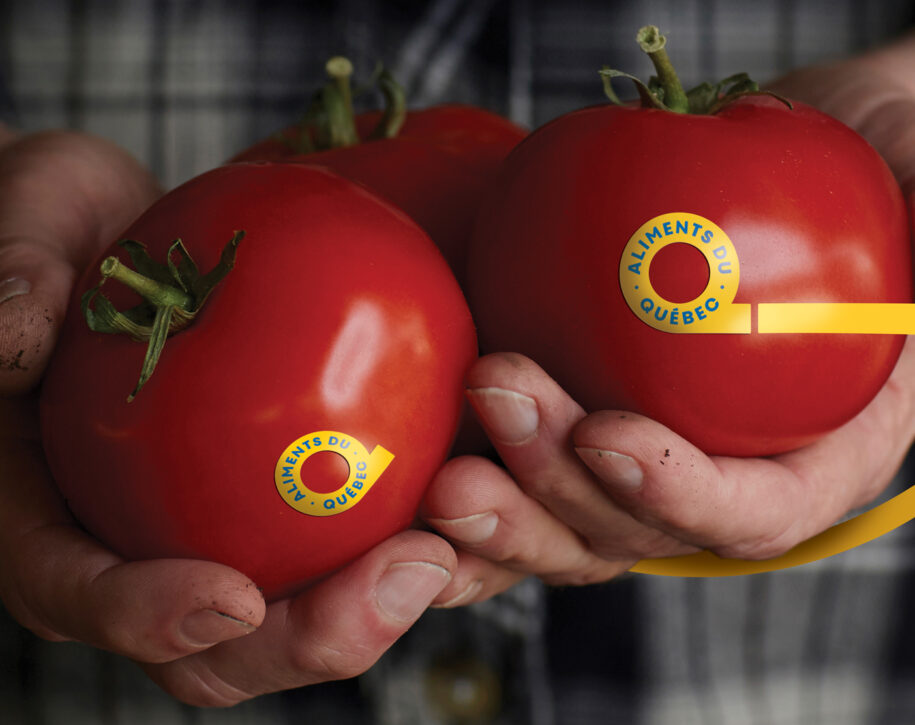
Aliments du Québec has a significant advantage: a brand that is already well-established in consumers’ minds.
According to figures presented by Pierre Lessard-Blais during the interview, 84% of French-speaking Quebecers would recognize the logo.
For a microbrewery, such recognition can help bridge the gap between an unfamiliar product and a purchasing decision. On a shelf where brands compete for attention, identifying a product’s Quebec origin becomes a key differentiator.
But logo recognition does not automatically translate into sales.
The real challenge lies in determining whether this identification influences consumer choice, improves product turnover, and fosters customer loyalty.
The challenge for brewers: to view certification as a tool for market positioning, not merely as a graphic symbol on a label.
2. Mass Retail: Moving from Visibility to Market Access
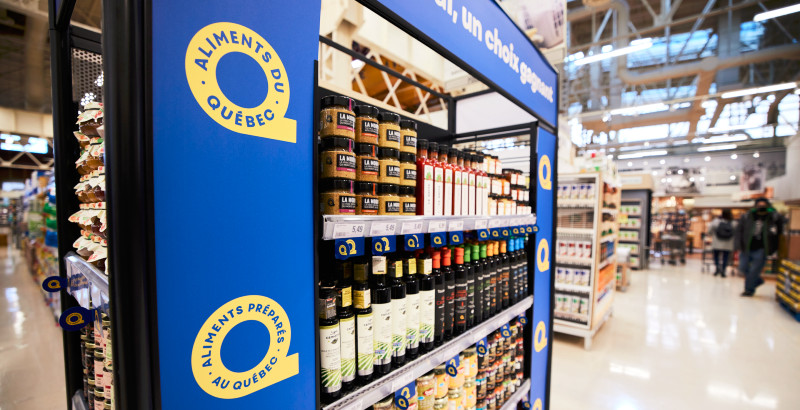
One of the most interesting aspects of the interview concerns the growing collaboration between producers and retailers.
Aliments du Québec offers various mechanisms to facilitate this relationship: trade shows, meetings with buyers, joint advertising campaigns, commercial photography, and promotional initiatives.
For microbreweries, this approach raises a fundamental question: how can they gain access to distribution networks without the marketing budgets and sales resources of large corporations?
A presence on grocery store shelves does not depend solely on product quality. It also relies on the ability to ensure volume, logistics, sales representation, marketing, and consistent supply.
Networking initiatives can therefore help reduce certain barriers for small businesses.
The challenge for brewers: to develop structured business relationships with buyers and use visibility programs to support sales, rather than seeking only occasional shelf space.
3. Measuring the Return on Local Purchasing
This is likely the most important strategic initiative announced by Pierre Lessard-Blais.
The executive director aims to produce, by 2027, economic studies demonstrating the added value of Aliments du Québec membership for its approximately 1,800 member businesses.
This initiative addresses a legitimate question: How much does certification actually generate in revenue?
For a microbrewery, relevant indicators could include:
- Changes in sales before and after joining.
- The number of new retail outlets secured.
- Changes in geographic distribution.
- Growth in brand awareness among consumers.
- The performance of advertising campaigns.
- Sales growth attributable to promotional initiatives.
Pierre specifically cites the example of Mag, a company whose workforce reportedly grew from 50 to 100 employees and whose sales reportedly increased fivefold as part of the trend toward buying locally.
However, it will be necessary to distinguish the effects of certification from those of other growth factors.
The challenge for the industry: moving from advocating for local purchasing to demonstrating measurable economic benefits.
4. Public Institutions: A Market with High Potential
Supplying public institutions represents another opportunity for growth.
During the interview, a target of 75% sourcing of Quebec-produced food in public institutions was mentioned. Schools, hospitals, and residential care facilities represent significant markets for local producers.
For the brewing industry, however, the benefits are more indirect. Institutional food procurement policies do not automatically constitute a market for alcoholic beverages.
The focus is more on recognizing regional production, developing short supply chains, and fostering business relationships among Quebec producers.
This approach could also benefit companies that develop non-alcoholic beverages, complementary food products, and offerings for institutional food service.
The challenge: making local sourcing a sustainable economic policy rather than just an awareness campaign.
5. The Next Step: Genuine Collaboration with Retailers
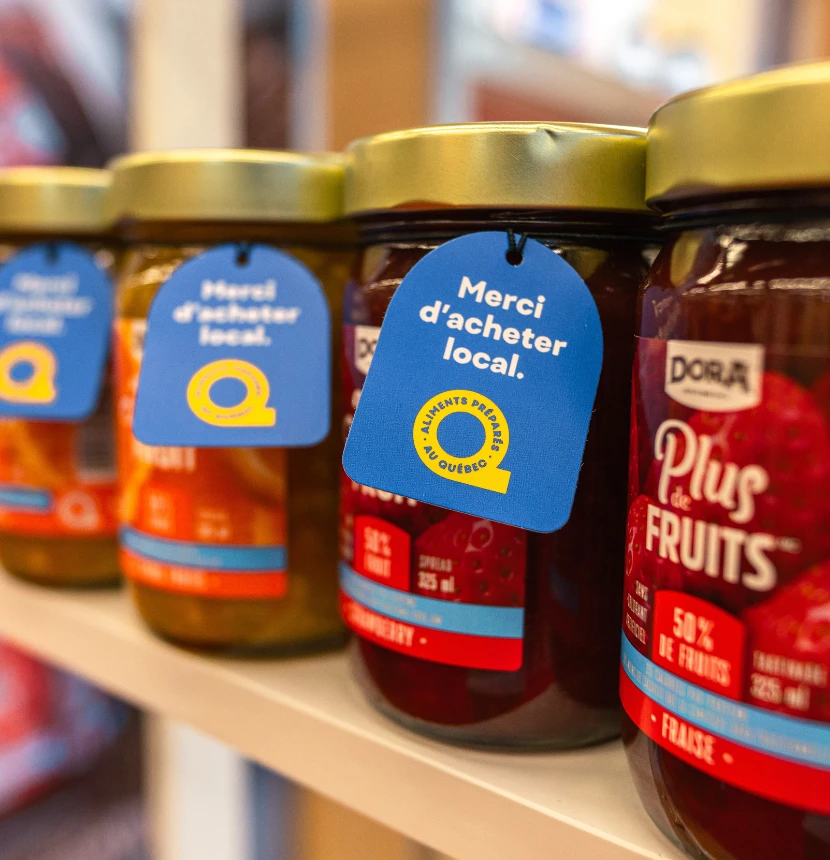
The interview also touches on an interesting question: that of a potential rebate system or financial incentives for members.
Pierre Lessard-Blais clarifies that such a project is not currently in development, though he remains open to proposals from distribution stakeholders.
This openness deserves attention.
Microbreweries and small producers operate in an environment where distribution costs, promotional expenses, and commercial terms can significantly reduce profit margins.
Closer collaboration between trade associations, retailers, and producers could open the door to exploring new mechanisms for commercial support.
The issue, therefore, is not merely to sell more Quebec products, but also to enable the companies that produce them to maintain sufficient profitability to invest and grow.
Analysis by BaronMag
Buying Local Enters a New Phase
The interview with Pierre Lessard-Blais highlights a significant evolution in the local buying movement in Quebec.
For several years, the main argument centered on origin: buying Quebec products to support local producers.
Today, this identity-based aspect remains important, but it must be accompanied by a more structured economic proposition.
Producers want to know what benefits they gain from joining the initiative. Retailers want products that can drive sales. Consumers are looking for interesting, accessible, and distinctive products.
Aliments du Québec sits precisely at the intersection of these three realities.
For microbreweries, this issue is particularly relevant. The proliferation of brands and competition at retail outlets make differentiation increasingly important. A Quebec origin can be an advantage, provided it is accompanied by a branding strategy, consistent quality, and effective distribution.
The next step for Aliments du Québec will therefore be crucial: transforming its brand awareness into documented commercial results.
The key question to consider: Does the yellow logo boost sales? That is precisely what the announced economic studies will aim to measure.
And for the 1,800 member companies, this answer could make all the difference between a symbolic membership and a genuine commercial investment.
PIVOHUB | Ready to see how a modern marketplace and sales operating system can transform your wholesale operations? Explore the buyer’s guide or discover sellers on PivoHub.