
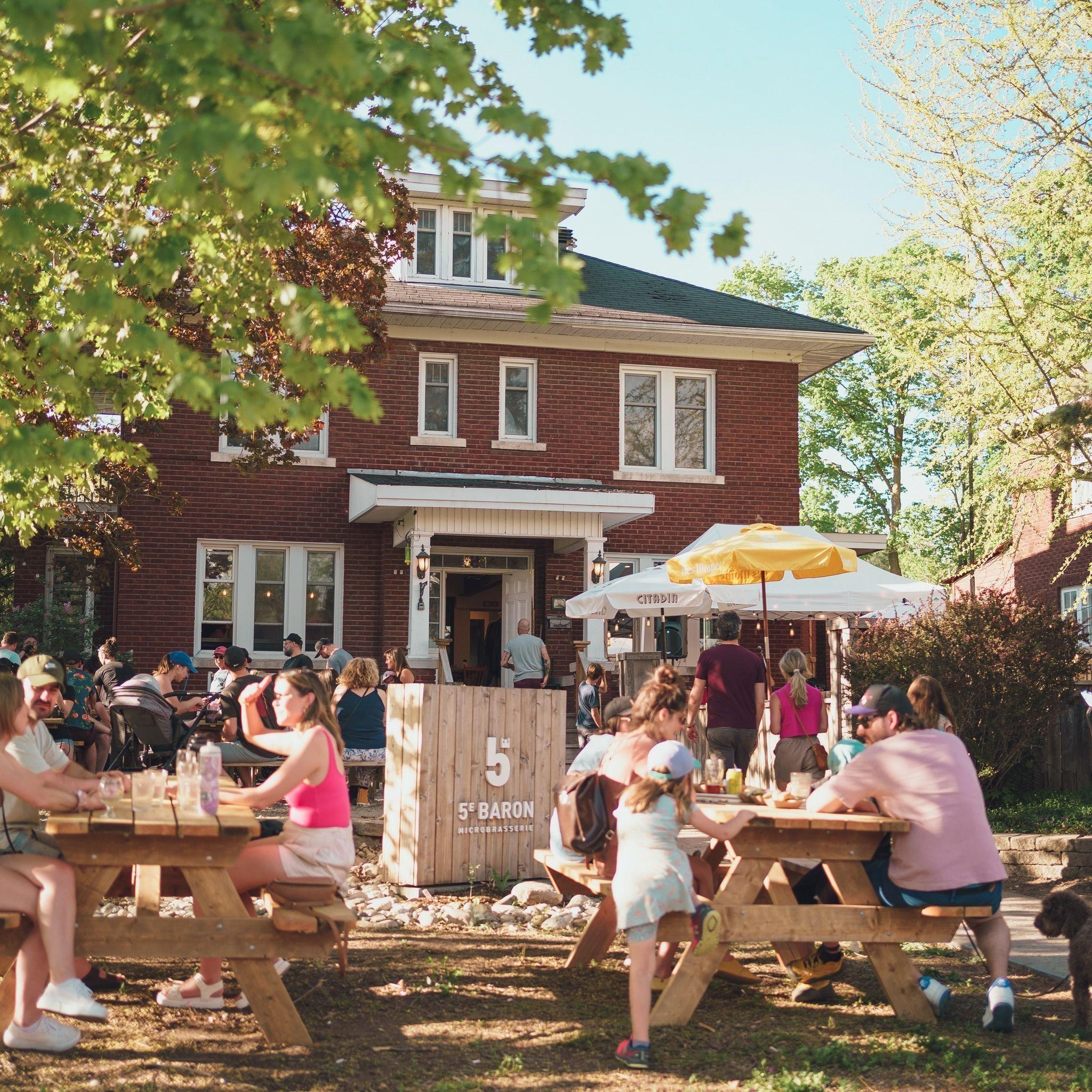
Why does a small riverside community on the Ottawa River draw crowds from two different provinces every fall? The answer has less to do with geography than with beer. Aylmer, now part of Gatineau, is close enough to Ottawa that an evening out there feels like a short trip across the border for Ontario residents, and close enough to the heart of Quebec’s brewing culture to carry real credibility. The result is a small corner of the country where a pint of something local can turn into a full night of entertainment, and where the appetite for leisure extends well beyond the taproom door.
That same appetite is exactly why many of the people who fill Aylmer’s festival tents also spend quiet evenings exploring an online casino once they get home. For Canadian players in Quebec, Ontario, and the Montreal area, these guides rank the legal options available in 2026, breaking down welcome bonuses, free spins, game libraries, and payment methods like Interac and crypto, along with the VIP tiers and licensing details that set serious destinations apart from the rest. For an adult weighing where to allocate discretionary spending and downtime, that kind of clear, province-specific comparison matters just as much as knowing which brewery pours the best amber ale—it is simply the at-home half of the same leisure equation.
A Brewing Heritage With Deep Roots
Aylmer’s connection to beer is not a marketing gimmick. The broader Ontario-Quebec corridor has upheld brewing traditions for well over a century, and the story of how those traditions faded and then made a roaring comeback is truly fascinating. Academic research tracing the history of beer brewing in Ontario describes how old industrial sites and forgotten recipes became the raw material for a new generation of craft breweries. What was once a landscape of consolidation and closures has reinvented itself around small-batch producers, regional identity, and a sense of place.
That revival is unfolding in real time across the region. Brewery openings, expansions, and the occasional closure fill the trade pages, and every new taproom becomes a reason for someone to make the drive. The terroir aspect matters too: Quebec producers place a strong emphasis on local grain, local water, and local character—and visitors take notice. A beer that tastes like a specific place is a beer worth traveling for.
When a Festival Becomes a Destination
Nothing captures Aylmer’s cross-provincial appeal quite like its fall celebrations. The Oktoberfest, which celebrates music and beer, has grown into exactly the kind of event that blurs the line between Ontario and Quebec. Live bands, long communal tables, regional brews on tap, and a steady crowd of people who crossed a bridge to get there—it’s a formula that works because it combines great drinks with a genuine atmosphere.
Industry observers tend to view these festivals as more than just a party. They serve as a showcase for the craft beer sector—a place where a small brewery can introduce a seasonal release to hundreds of curious drinkers in a single weekend. For the surrounding food and beverage economy, the ripple effect is real: restaurants fill up, nearby accommodations book out, and the entire corridor benefits from the buzz. A well-run beer festival is, in business terms, a demand generator that no amount of advertising could match.
The Modern Leisure Equation
This is where the story gets interesting. The crowds who treat an Aylmer festival as a destination are the same adults who are rethinking how they spend their leisure time overall. A Friday evening that once meant just a night at the pub now competes with streaming marathons, sports events, podcast binges, and digital entertainment of every kind. The beverage industry is well aware of this, which is why so many producers have shifted their focus toward experiences rather than just the liquid in a glass.
That shift explains why brewing heritage and online entertainment keep coming up in the same conversation. Both are built on the same consumer instinct—the desire for a little excitement, a change of pace, something that feels like a treat after a long week. Someone might spend Saturday afternoon sampling a Gatineau amber and Saturday night unwinding with a few spins on a slot machine or a round at a live dealer table. The two activities aren’t rivals; they’re chapters of the same leisure habit.
Why the Corridor Keeps Growing
The Ontario-Quebec border region has a structural advantage that keeps this leisure economy thriving. Two large markets are within easy reach of each other, each with its own drinking culture, its own regulatory landscape, and its own entertainment preferences. For businesses on either side, that proximity is a boon. A brewery in Aylmer can attract Ottawa professionals; a festival can market itself as a regional draw rather than a local one.
Digital leisure benefits from the same dynamic. The guides ranking Canadian options for 2026 speak directly to residents of both provinces, acknowledging that a player in Montreal and a player in Ottawa want the same things: a safe, properly licensed experience with a robust game library and convenient payment options. The overlap between festival-goers and those seeking at-home entertainment is enormous, and savvy operators on both sides of the beverage-and-leisure divide have taken notice.
The Takeaway for the Region
Aylmer’s brewing heritage and the modern leisure economy are not separate stories. They are two sides of the same coin—a region that has learned how to turn good beer, great events, and quality downtime into a reason for people to show up and stick around. For the food and beverage sector, the lesson is clear: heritage gets people in the door, but experience is what keeps them coming back. And across two provinces, that experience is only getting richer.
image: qcna.qc.ca/enjoying-the-beer-necessities-this-oktoberfest-in-vieux-aylmer/