


Powered by Pivohub
Can Portugal’s Most Iconic Pastry Become Canada’s Next Frozen Food Success Story?
Powered by Pivohub | B2B e-commerce solution dedicated to the food & beverage industry.
Welcome to Terroir & Beverage, recorded live from SIAL Canada 2026 in Montréal.
What Nata Pura’s expansion says about the future of premium ethnic foods
Every year, SIAL Canada offers a glimpse into where food is heading. While plant-based proteins, functional beverages and AI-powered food technologies often dominate headlines, some of the show’s most interesting innovations are rooted in tradition rather than disruption.
That was certainly the case during our conversation with Nata Pura at SIAL Canada 2026.
At first glance, the company appears to have a simple mission: introduce authentic Portuguese pastéis de nata to Canadian consumers. But behind that objective lies a sophisticated business model that combines international manufacturing, premium branding, frozen logistics and a growing appetite for authentic global flavours.
More importantly, Nata Pura illustrates a broader shift taking place across Canada’s food industry.
Authenticity has become a competitive advantage
Consumers today are no longer looking for generic “international” products.
They want authenticity.
That means authentic recipes, authentic ingredients, and authentic stories.
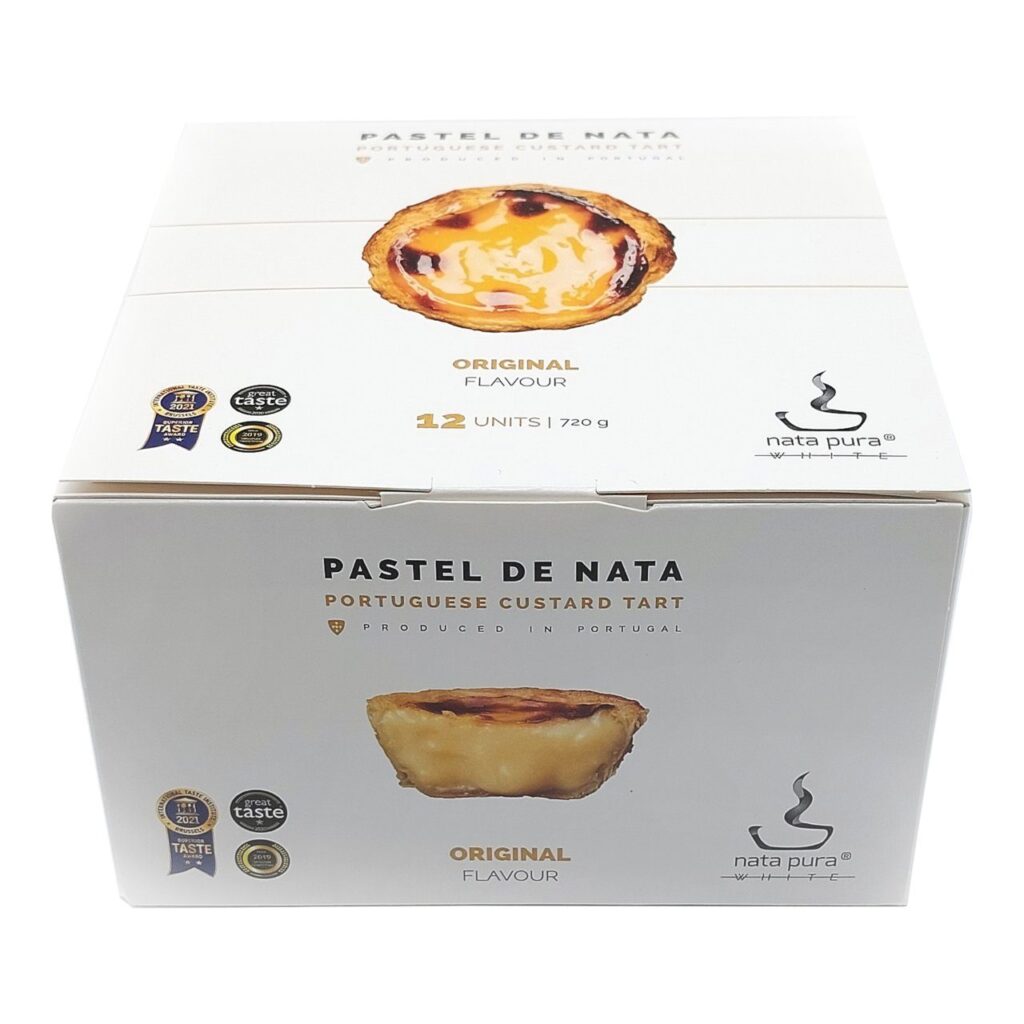
Rather than manufacturing its custard tarts in Canada, Nata Pura produces them entirely in Portugal before freezing and shipping them to Canada. While this may seem counterintuitive from a logistics standpoint, the founders believe authenticity begins at the source.
The company argues that everything—from the local dairy to the water chemistry—contributes to the final product, creating a flavour profile that simply cannot be replicated elsewhere.
In a marketplace where consumers increasingly reward provenance, “Made in Portugal” becomes more than a country-of-origin label.
It becomes part of the brand story.
Premium ethnic foods are entering the mainstream
Canada has always been shaped by immigration.
For decades, however, many traditional foods remained largely confined to neighbourhood bakeries and family-owned specialty stores.
That is changing.
Consumers are becoming increasingly adventurous, while second- and third-generation immigrant communities are helping introduce their culinary traditions to wider audiences.
Pastéis de nata have already moved well beyond Portuguese cafés in cities such as Toronto, Montreal and Vancouver. They now appear in cafés, restaurants, grocery stores and food-service operations serving customers with no cultural connection to Portugal.
The same evolution has occurred with sushi, kimchi, bubble tea, empanadas and bao buns.
What begins as an ethnic specialty often becomes a mainstream category.

Frozen doesn’t mean lower quality
One of the biggest misconceptions in premium food remains frozen products.
For decades, frozen foods were associated with convenience rather than quality.
Today’s premium frozen category tells a very different story.
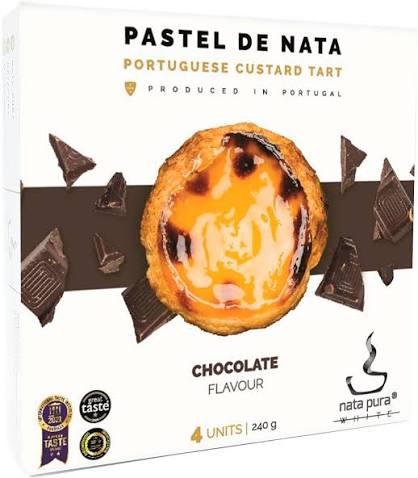
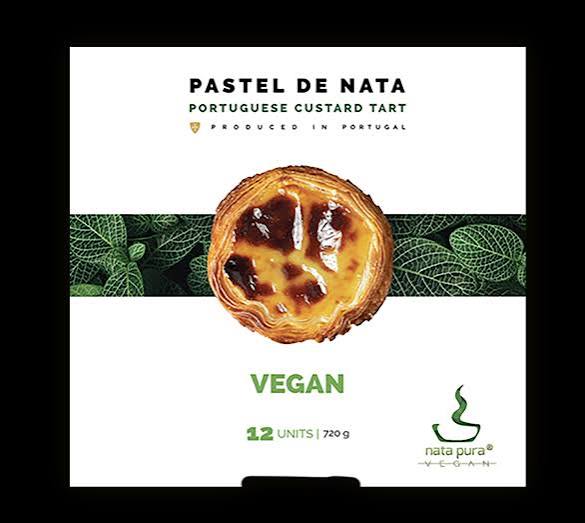
Nata Pura’s products arrive frozen directly from Portugal and are baked in only ten minutes, making them particularly attractive for cafés, hotels, caterers and restaurants that want freshly baked pastries without maintaining an in-house pastry kitchen.
For foodservice operators facing labour shortages, rising costs and limited kitchen space, this model makes considerable economic sense.
It allows businesses to offer authentic European pastries with consistent quality while reducing preparation time and food waste.
Building a national brand one city at a time
Nata Pura’s expansion strategy also reflects how many successful Canadian food startups scale their business.
Rather than launching nationally, the company first established itself in Vancouver before expanding to Toronto and now Montreal—cities with both multicultural populations and established Portuguese communities.
Those communities provide an important foundation.
If Portuguese families approve of the product, broader consumer adoption becomes much easier.
As founder Marlene Javan Sehati joked during our conversation, “If my mother likes them, I think we’re okay.”
For any food entrepreneur, that may be one of the best focus groups available.
Retail or foodservice? Why successful brands increasingly choose both
Like many young food companies, Nata Pura isn’t limiting itself to a single sales channel.
Retail grocery stores provide brand visibility.
Foodservice generates volume.
Cafés create product discovery.
Online retail expands accessibility.
Future partnerships with major retailers such as Costco could dramatically increase consumer awareness while maintaining premium positioning.
This omnichannel approach has become one of the defining characteristics of successful specialty food brands.
Consumers no longer discover products in only one place.
They might first taste them at a café, purchase them frozen in a grocery store and reorder them online.
What beverage producers should learn
Although Nata Pura operates in the bakery rather than beverage industry, its strategy offers valuable lessons for breweries, wineries, cideries and specialty beverage producers.
Consumers increasingly buy stories before they buy products.
Authenticity matters.
Packaging matters.
Country of origin matters.
Brand identity matters.
Nata Pura isn’t simply selling custard tarts.
It’s selling a small piece of Portugal.
That same approach has helped premium coffee, craft beer, natural wine and specialty spirits command higher prices and build loyal followings.
Why SIAL matters
Trade shows like SIAL are about far more than finding buyers.
They validate ideas.
For Nata Pura, exhibiting in Montreal represented an opportunity to test a new market, meet distributors, speak directly with retailers and observe consumer reactions in real time.
For visitors, it offered something equally valuable: a reminder that innovation doesn’t always come from creating entirely new products.
Sometimes it comes from taking a beloved national specialty, respecting its heritage and finding a better way to bring it to new consumers.
As Canada’s appetite for authentic global flavours continues to grow, companies like Nata Pura demonstrate that the future of premium food may not be about reinventing recipes.
It may simply be about telling their stories better.
Beverage + Terroir is brought to you by PivoHub, which connects breweries, beverage producers, suppliers, and hospitality professionals across North America while helping the industry discover the ideas shaping the future of food and beverage.
Baron Mag & PivoHub: New Content and Strategic Partnership
In partnership with PivoHub, Baron Mag has launched a series of interviews and articles highlighting their partners and the food industry landscape in Québec and Ontario. This series will showcase emerging food entrepreneurs and provide insights into the latest trends and best practices within the sector.
Objective: To better understand the food industry and provide data-driven insights to help businesses improve performance and efficiency.
Partnership with PivoHub
The series will also demonstrate how PivoHub can support your business through its order management and data tools, helping companies optimize operations and gain actionable insights.
Interested?
To discover PivoHub or to promote your food business, contact: [email protected]
For demos and more information: [email protected] or visit PivoHub.
About Beverage + Terroir
As the beverage and beer industries evolve, so too does the media that covers them. For several years, we’ve been reporting on the industry outside of Quebec in English through our Baron Mag and BBQ (Business of Beer of Quebec) podcasts.
With Beverage + Terroir, we’ve expanded our coverage to encompass beer, beverages, and food, providing a comprehensive look at the entire industry and its complex interconnections. The podcast explores not only trends, innovations, and market shifts, but also the people, places, and processes that define the craft, commercial, and artisanal sectors across Canada, the USA, and beyond.
Beverage + Terroir aims to give listeners a deeper understanding of how local ingredients, regional terroir, and industry dynamics shape the drinks we enjoy — from pint to plate.
_—————
Beer and Brewing — proudly presented by Innomalt, highlighting malt, brewing, and its role in craft and commercial brewing.
Terroir and Industry — brought to you by Pivohub, showcasing the people, places, and processes that define the food production and industry.
Beverage — presented by BaronPro, covering trends, technologies, and innovations across the wider beverage landscape.
- Many other things to come.
Together, these partnerships allow Beverage + Terroir to deliver a 360-degree view of the industry, from ingredient to glass, and from local craft to national trends.
Apple | Pocket Casts | Spotify | Castbox I Pocket Cast | Radio Public | Heart Radio | Amazon | soundcloud | BaladoQuébec | Youtube: Les Affaires Brassicoles | Youtube: Baron mag | Podtail | Ivoox | Podcastaddict |

