


The expansion of ColdHaus Direct with the Asahi Group Canada portfolio is one of the most telling developments in Ontario’s beverage market right now — not just for global beer brands, but for what it reveals about how distribution is evolving across Canada.
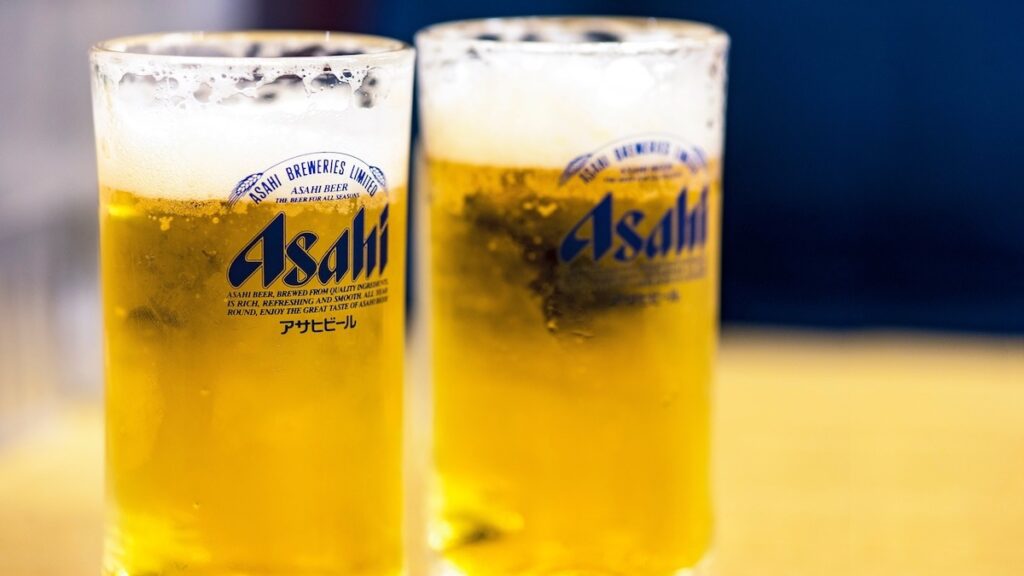
According to recent reports, ColdHaus will now represent several brands from Asahi’s portfolio across convenience stores, gas stations, and select Walmart locations in Ontario. The lineup includes major international names such as Asahi Super Dry, Peroni, Grolsch, Pilsner Urquell, as well as RTD products like Mudshake.
But beneath the announcement lies a deeper structural shift in how alcohol moves through the Canadian retail system.
For decades, beer distribution in Canada followed a relatively predictable model: major retail chains, provincial liquor boards such as the LCBO, traditional beer retailers, and a limited set of grocery placements. That structure is now being rapidly reshaped as Ontario continues to expand alcohol sales into convenience stores and gas stations. Government of Ontario
And this new landscape rewards execution more than heritage.
Companies like ColdHaus Direct are increasingly positioned not just as distributors, but as full “route-to-market” infrastructure providers — handling last-mile logistics, national account management, merchandising, retail execution, and field operations.
In practical terms, the competitive advantage is shifting. It is no longer only about having a strong brand or a quality product. It is about being physically present, consistently stocked, and rapidly deployed across thousands of new retail points.
For global brands like Asahi, this partnership accelerates access to Ontario’s newly liberalized convenience channel. But for Canadian craft breweries, it also acts as a quiet warning.
Convenience stores and gas stations are becoming serious battlegrounds for premium beer, RTDs, and functional beverages. And these channels tend to favour:
- products that are easy to distribute at scale
- brands with strong merchandising support
- suppliers capable of maintaining reliable inventory
- partners with aggressive field sales networks
In this environment, many microbreweries may need to rethink how they approach distribution entirely.
Ontario’s market is gradually shifting away from a traditional “craft-first” ecosystem toward something closer to a modern beverage commodities model — one defined by speed, visibility, data, and execution.
ColdHaus Direct appears to have recognized this shift early. The company already works with fast-growing beverage brands such as Prime, Alani Nutrition, and Happy Dad — products that rely heavily on rapid distribution and high-frequency retail visibility. ColdHaus Direct
These are products designed for impulse purchase behaviour: a stop at the gas station, a quick visit to a convenience store, or a grab-and-go moment at a big-box retailer.
The reality is less romantic than the traditional craft brewery narrative.
But economically, it increasingly reflects where a significant portion of Canada’s beverage market is heading — not toward slower, taproom-driven discovery, but toward high-velocity, retail-driven consumption at scale.

