


A year after several Canadian provinces removed U.S. wine from retail shelves in retaliation for broader trade disputes, fresh data shows a historic drop in American wine exports to Canada — losing about US $357 million in value in 2025 alone.
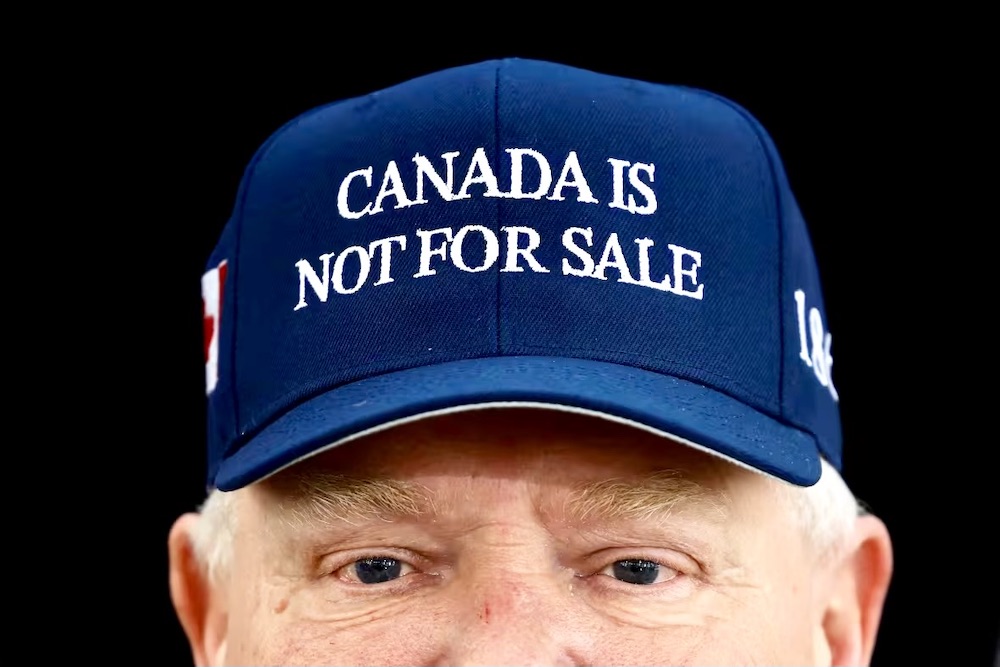
The figures, reported by The Drinks Business, reveal one of the steepest single‑year disruptions in modern U.S. wine export history after provincial liquor authorities — including Ontario, Quebec, and British Columbia — stopped purchasing and selling U.S. wine products as part of a broader boycott.
A market once vital for U.S. wine
Canada has long been a crucial export destination for American wineries. In 2024, nearly one‑third of all U.S. wine exports by value were shipped to Canada, making it the largest foreign market for many California and Oregon producers.
But the trade measures in 2025 — driven by federal and provincial actions in response to U.S. tariffs on Canadian goods — have essentially erased this market overnight. The value of U.S. wine shipments to Canada plunged from roughly $460 million in 2024 to about $103 million in 2025.
For many small and family‑run wineries, these sales aren’t marginal: they represent critical revenue and brand exposure that helped sustain operations and fund innovation. The sudden loss has forced producers to rethink export strategies and seek new markets outside North America.
Broader implications for the alcohol trade
The loss isn’t limited to wine. American distillers report steep declines in spirits exports, and some craft producers warn that decades of brand building in Canada are at risk of unraveling.
Beyond the direct financial hit, the situation highlights how intertwined alcohol and broader trade policy have become. Provincial liquor boards in Canada control the purchase and distribution of wine, beer, and spirits, giving them powerful tools to influence market access. Once U.S. alcohol was delisted, it disappeared quickly from shelves, leaving consumers and distributors scrambling.
Industry voices — both in Canada and the United States — argue that the boycott has also accelerated demand for domestic products on both sides of the border, with Canadian wine and spirits gaining shelf space previously occupied by U.S. imports and drinkers turning to local alternatives.
What this means for producers and distributors
For craft beverage businesses and exporters, the episode underscores several lessons:
Reliance on a single export market can be a vulnerability: Even long‑standing trade relationships can be disrupted by policy shifts.
Domestic markets may prove resilient: As U.S. products vanished from Canadian shelves, local producers benefited from increased visibility.
Diversification of export strategies is critical: Producers are reassessing where and how they sell internationally.
Government trade policy can directly affect supply chains: Provincial control over alcohol has amplified the impact of broader trade disputes.
While diplomatic and trade negotiations continue, the 2025 export figures stand as a stark reminder that even “soft” consumer products like wine are not immune to geopolitical and economic pressures.

