


The non-alcoholic beer segment is no longer a niche experiment—it is becoming one of the most technically demanding and strategically important categories in modern brewing. That’s the clear message behind BarthHaas’ latest white paper and global campaign focused on alcohol-free brewing.
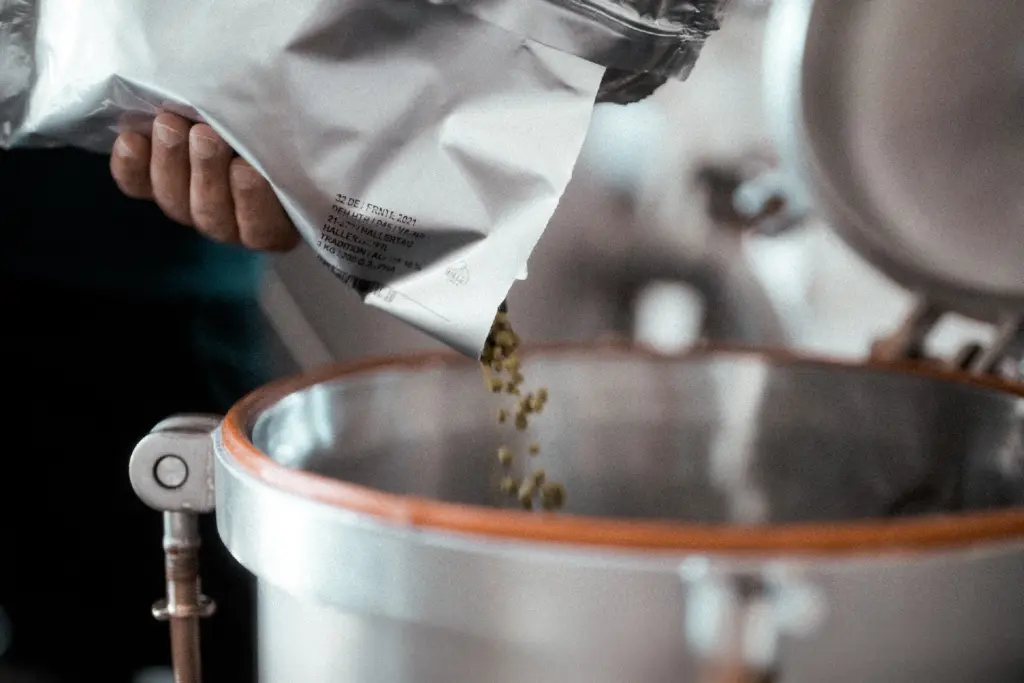
As consumer expectations rise, breweries are being pushed into a new reality: producing beers without ethanol while still delivering structure, aroma, and balance traditionally carried by alcohol itself. The result is a brewing environment where precision matters more than ever.
“Without alcohol as a carrier of flavor, every ingredient, every process step becomes fully exposed,” the company notes in its latest technical release.
That shift is forcing brewers to rethink formulation from the ground up. Bitterness perception changes, aroma volatility increases, and mouthfeel becomes significantly harder to stabilize. What once could be corrected through fermentation or blending now requires upfront design decisions at the mash, yeast, and hopping stages.
A category defined by process, not just product
BarthHaas’ white paper highlights a central challenge: non-alcoholic beer is not simply “beer with alcohol removed.” It is a structurally different beverage where balance must be engineered, not inherited.
Without ethanol, brewers lose a key element that naturally integrates bitterness, sweetness, and hop aroma. The result is often thin body, “worty” off-notes, or uneven flavor perception if the process is not tightly controlled. (barthhaas.com)
To compensate, breweries are increasingly relying on targeted yeast selection, refined mash schedules, and more precise hop products designed to deliver aroma without triggering unwanted fermentation activity. Even small variations in process control can dramatically affect stability and shelf life.
Microbiological risk also increases significantly in alcohol-free beers, since ethanol no longer provides a natural protective barrier. This has made sanitation, pH control, and stabilization strategies central to product design rather than secondary concerns.
Hops as a functional tool, not just flavor
One of the most notable evolutions highlighted in BarthHaas’ work is the repositioning of hops—from flavoring ingredient to structural tool.
In non-alcoholic brewing, hops are now being used to rebuild what ethanol used to support: aroma intensity, bitterness perception, and sensory depth. But this requires precision. Overuse can amplify harshness, while underuse can leave the beer flat and incomplete.
New hop-derived products and aroma technologies are being positioned as solutions to bridge that gap, allowing brewers to add intensity without destabilizing fermentation or increasing alcohol formation.
Growth driven by consumer demand—and pressure on brewers
The rise of non-alcoholic beer is strongly tied to broader consumer trends: moderation, wellness, and lifestyle-driven drinking habits. Demand has expanded rapidly, but so has scrutiny. Drinkers now expect alcohol-free products to deliver the same satisfaction as traditional beer styles.
That expectation is reshaping R&D priorities across breweries of all sizes. Large producers are investing in dealcoholization systems, while smaller craft brewers are experimenting with low-fermentation strategies and specialty yeast strains.
Research cited in the white paper also points to emerging yeast technologies and fermentation controls that allow brewers to limit alcohol formation while preserving aroma development, opening new pathways for “true brewing” without post-process removal.
A category still being built
Despite rapid growth, experts emphasize that non-alcoholic beer is still evolving. The technical baseline is improving, but consistency remains a challenge across producers. Stability, mouthfeel, and flavor balance continue to define success or failure in the category.
What is clear, however, is that the segment is no longer experimental. It is becoming a core part of brewery portfolios—and a driver of innovation in process engineering.
As BarthHaas positions it, alcohol-free brewing is not about subtraction. It is about reconstruction.
And in that shift, the industry is being forced to confront a simple reality: when alcohol disappears, everything else has to work harder.

